
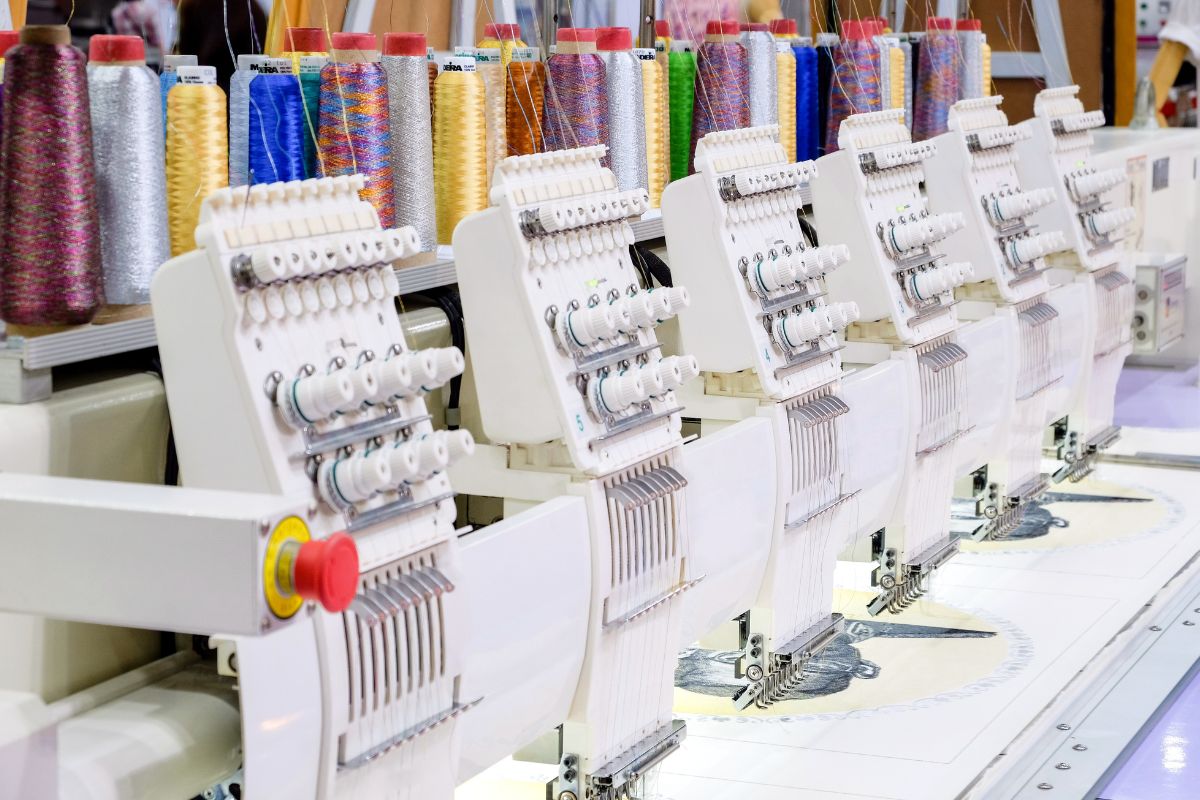
Investing in an embroidery machine is a critical step for businesses aiming to offer premium custom embroidery services, whether for corporate branding, fashion, or promotional products. In Kenya, the market for embroidery is growing rapidly, driven by rising demand for personalized apparel, uniforms, and branded merchandise. Choosing the right machine — single needle or multi-head — can define your production capacity, quality, and profitability. This comprehensive guide explores everything you need to know about the best embroidery machines in Kenya, including features, advantages, costs, business applications, and practical buying tips.
Why Investing in an Embroidery Machine is Strategic
Embroidery machines allow businesses to deliver high-quality, consistent, and scalable designs on fabrics. Unlike manual embroidery, automated machines provide:
-
Precision stitching
-
Faster turnaround times
-
Ability to handle large volumes
-
Repeatable high-quality designs
For Kenyan businesses targeting schools, corporate clients, fashion brands, and promotional merchandise, investing in a reliable embroidery machine is not just a purchase — it’s a strategic business decision that affects growth and competitiveness.
Single Needle vs Multi-Head Embroidery Machines
Single Needle Machines
Single needle machines are ideal for smaller operations or businesses starting with limited budgets. They feature:
-
One embroidery head with multiple thread options
-
Ability to stitch one design at a time
-
Lower initial investment
-
Suitable for detailed designs and small-scale production
Advantages include higher precision for intricate designs and simpler operation, making them suitable for startups and boutique embroidery businesses. The trade-off is lower speed and volume capacity compared to multi-head machines.

Multi-Head Machines
Multi-head embroidery machines are designed for businesses with higher production requirements. Features include:
-
Multiple embroidery heads working simultaneously
-
High throughput for large orders
-
Ability to produce multiple identical designs in parallel
-
Robust construction for continuous operation
These machines are ideal for corporate uniform suppliers, fashion brands, and commercial embroidery businesses that need efficiency without compromising quality. While the initial investment is higher, the return on investment is accelerated due to higher output and faster turnaround.
Key Factors to Consider When Buying an Embroidery Machine in Kenya
1. Production Volume
Estimate your monthly and daily output. Single needle machines are sufficient for low-volume businesses, while multi-head machines are better for high-volume operations. Choosing a machine aligned with your production goals ensures operational efficiency and prevents bottlenecks.
2. Design Capabilities
Modern embroidery machines support:
-
Multiple thread colors
-
Complex patterns and logos
-
Digitized designs with precise replication
Check if the machine supports software that can import and edit designs, create patterns, and adjust stitch density. Machines with built-in editing software allow faster workflow and better control over final output.
3. Fabric Compatibility
Not all machines handle all fabric types equally. Consider whether you will be working with cotton, polyester, denim, silk, or mixed fabrics. Some machines are better suited for thick fabrics, while others perform best on lightweight or stretch materials. Multi-head machines often include adjustable presser foot pressure, which improves consistency across different materials.
4. Ease of Use and Training
User-friendly machines reduce learning curves and minimize production errors. Features to look for include:
-
LCD touchscreens
-
Automated needle threading
-
Pre-programmed stitch patterns
-
Simple maintenance procedures
Ensure that your staff receives proper training and access to manuals or video tutorials.
5. Speed and Efficiency
Machine speed is measured in stitches per minute (SPM). Multi-head machines often provide higher SPM due to simultaneous stitching, but single needle machines can still deliver precise results for smaller orders. Balancing speed with quality is essential to maintain client satisfaction.
6. Maintenance and Support
Reliable after-sales support is critical in Kenya. Machines should come with:
-
Local technical support
-
Availability of spare parts
-
Warranty coverage
-
Maintenance guidance
Proper maintenance prolongs machine life and ensures consistent quality output.
7. Cost of Ownership
Consider:
-
Initial purchase price
-
Software and design tools
-
Consumables (threads, stabilizers, bobbins)
-
Energy consumption
-
Repairs and maintenance
Machines with higher upfront costs may provide better ROI through efficiency and durability.
Applications for Embroidery Machines in Kenya
-
Corporate Branding: Logos on uniforms, corporate gifts, and promotional items.
-
Fashion Industry: Custom designs on apparel for boutiques and designers.
-
Schools and Institutions: Badges, uniforms, and custom embroidery for clubs.
-
Promotional Merchandise: Hats, bags, and home textiles with personalized branding.
-
Industrial Use: Customized embroidery for industrial uniforms, sportswear, and team kits.
The versatility of modern embroidery machines allows businesses to expand into multiple revenue streams with minimal additional investment.
Tips for Maximizing ROI
-
Start with machines that align with your current volume and scale gradually.
-
Invest in quality thread and stabilizers for superior results.
-
Train staff thoroughly to reduce errors and rework.
-
Maintain a regular service schedule to prevent downtime.
-
Digitize your most common designs to save production time.
By following these steps, Kenyan businesses can maximize profitability while maintaining consistent quality and customer satisfaction.
Frequently Asked Questions About the Best Embroidery Machines in Kenya
Finding the best embroidery machines in Kenya can be overwhelming given the variety of technologies, brands, and business requirements. These FAQs address the most common concerns, providing detailed guidance to help businesses choose machines that maximize productivity, quality, and profitability.
1. What makes a machine qualify as one of the Best Embroidery Machines in Kenya?
The best embroidery machines in Kenya combine precision, reliability, and scalability. They offer advanced features such as multi-color capabilities, high stitch density, adjustable presser foot pressure, and compatibility with a range of fabrics. Additionally, superior machines come with user-friendly software, strong after-sales support, and durability that ensures consistent performance over years of commercial use. In short, a machine qualifies as “best” when it balances performance, versatility, and long-term cost efficiency.
2. Should I choose a single needle or multi-head embroidery machine for my business?
Single needle machines are ideal for startups or boutique businesses requiring precision and custom work, allowing one design to be stitched at a time with high accuracy. Multi-head machines, in contrast, are designed for high-volume production, capable of stitching multiple identical designs simultaneously, reducing turnaround time. Businesses in Kenya targeting corporate clients, schools, or large-scale promotional merchandise will often benefit more from multi-head machines due to speed, scalability, and operational efficiency.
3. What types of fabrics can the Best Embroidery Machines in Kenya handle?
Top-quality embroidery machines are versatile across a range of fabrics. They can stitch on cotton, polyester, denim, silk, linen, and mixed fabrics. Multi-head machines often feature adjustable presser foot pressure, ensuring consistent stitch quality on both thick fabrics like denim and stretchy fabrics like Lycra. Choosing a machine that accommodates your primary materials prevents stitching errors, thread breakages, and inconsistent results, which are critical for professional output.
4. How important is software in determining the Best Embroidery Machines in Kenya?
Software is a cornerstone of modern embroidery. Machines supporting advanced software allow digitizing complex designs, adjusting stitch patterns, managing multiple colors, and previewing output before production. Integrated software speeds up workflow, reduces mistakes, and ensures consistent results across multiple garments. For businesses offering custom logos or intricate designs, the right software ensures designs are replicated accurately every time.
5. What is the expected lifespan of a high-quality embroidery machine in Kenya?
The lifespan depends on machine type, brand, maintenance, and usage intensity. Single needle machines can last between 8–10 years under regular maintenance, while industrial multi-head machines can operate reliably for 10–15 years. Regular servicing, proper lubrication, and using quality consumables like threads and stabilizers prolong the machine’s operational life and maintain consistent stitch quality, making the investment worthwhile for long-term business growth.
6. How do I maintain the Best Embroidery Machines in Kenya for optimal performance?
Maintenance is critical to ensure consistent quality and reduce downtime. Key practices include cleaning dust and lint, lubricating moving parts, checking needle alignment, replacing worn components, and running routine diagnostic tests. Scheduled maintenance according to manufacturer guidelines prevents operational issues, minimizes repair costs, and ensures that each design is produced with professional-level precision.
7. How much do the Best Embroidery Machines in Kenya typically cost?
Pricing varies widely based on type, brand, and features. Single needle machines generally range from Ksh 100,000 to 200,000, suitable for startups or small-scale businesses. Multi-head machines, especially industrial-grade models, range from Ksh 750,000 to several million, reflecting their higher production capacity, advanced features, and durability. Businesses should also account for software, consumables, and local support when calculating total cost of ownership.
8. Can these machines handle large orders efficiently for commercial use?
Yes. Multi-head embroidery machines are designed specifically for high-volume operations, stitching multiple identical designs simultaneously. Single needle machines are slower but ideal for custom orders or small-batch production. Businesses with corporate, school, or promotional contracts benefit from multi-head models due to speed, efficiency, and ability to meet tight deadlines without compromising quality.
9. Do embroidery machines require specialized operators?
Basic operation can be learned quickly, especially with user-friendly machines. However, for multi-head machines, high-volume production, and complex multi-color designs, trained operators improve efficiency, reduce errors, and maintain consistent output. Investing in proper training ensures that employees can fully utilize the features of the best embroidery machines in Kenya and optimize production workflows.
10. How do I select the right vendor for the Best Embroidery Machines in Kenya?
Selecting a credible vendor is as important as choosing the machine itself. Look for suppliers with a proven track record, local support, warranty coverage, and availability of spare parts. Request references and verify client testimonials. Trusted vendors also provide installation, training, and maintenance guidance — ensuring that your investment in embroidery machines delivers maximum ROI, reliable performance, and long-term business growth.
Buy the Best Embroidery Machines in Kenya from Graphic Machine Shop
Get your hands on the best embroidery machines in Kenya today and start producing high-quality, professional embroidery immediately. Choose from single needle or multi-head models to match your business needs. Place your order now and benefit from fast delivery, local support, and setup guidance. Don’t wait — secure your machine and start growing your embroidery business today.
Order via WhatsApp: 0748 989 207
Shop Online: www.graphicmachines.co.ke



 No products in the cart.