
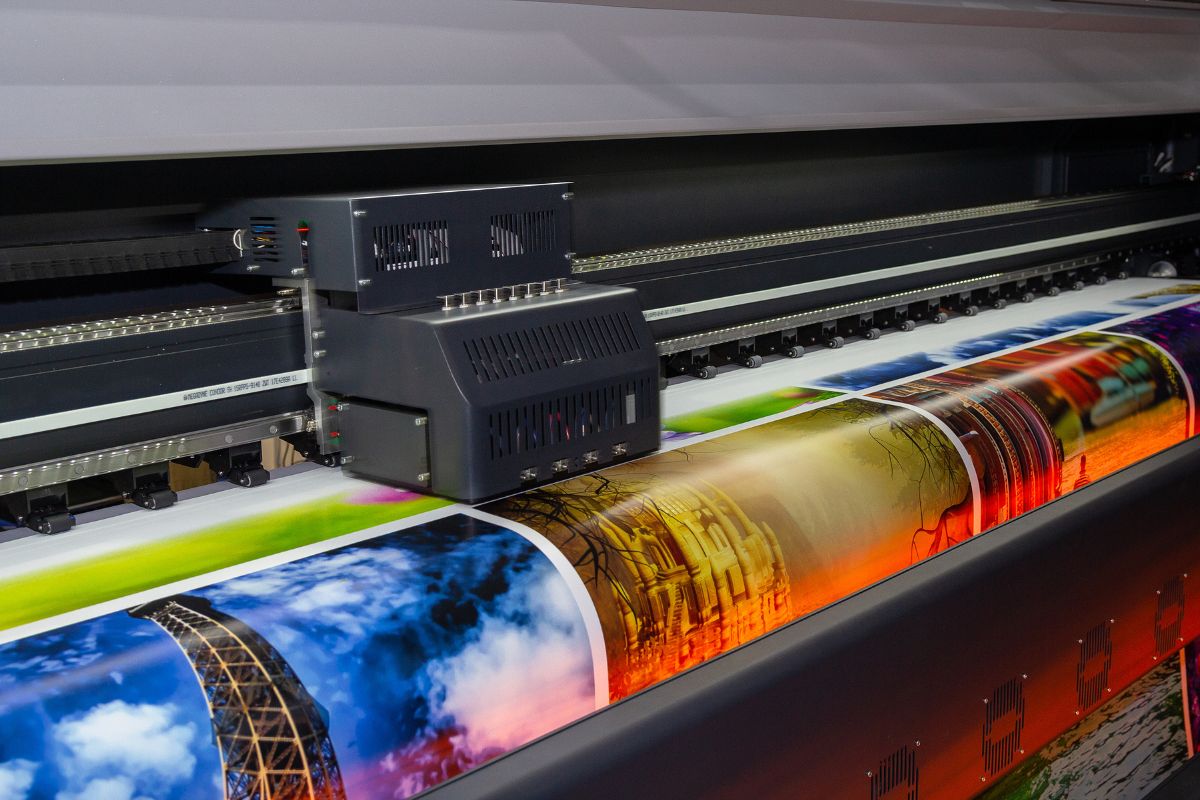
Investing in printing and branding equipment is a strategic decision that can define the trajectory of your business’s productivity, quality, and profitability. In Kenya’s fast-evolving advertising and manufacturing landscape, technology choices matter. Whether you run a signage company, a promotional printing business, or an in-house corporate brand department, selecting the right machine can save time, reduce costs, and maximize output quality.
This comprehensive guide highlights seven essential factors you must evaluate before purchasing printing and branding machines in Kenya — enabling informed decisions aligned with business needs, operational efficiency, and long-term ROI.
1. Clarify Your Business Needs & End Goals
Before evaluating machines, define the type of products you intend to produce. Consider whether your focus is on banners and large format prints, promotional merchandise such as mugs, shirts, and bags, vehicle wraps and signage, or industrial branding on metal, wood, or glass. Each product category demands specific machine capabilities, so what works for vinyl signage may not suffice for sublimation or UV printing.
It’s also important to analyze your expected monthly output. Will you run eight hours daily or on a batch schedule? Do you require high-speed production? Are you planning to scale soon? High-volume demands necessitate industrial-grade machines with robust motors, automated feed systems, and higher duty cycles. Lower volumes might be adequately served by entry or mid-range units, reducing upfront cost risk.
For example, a startup focusing on event banners can begin with a reliable mid-range solvent or eco-solvent printer, while an established printing enterprise with multiple revenue streams will benefit from hybrid UV printers capable of handling both rigid and flexible substrates with minimal downtime.
2. Evaluate Machine Technology & Compatibility
Understanding the technology type ensures optimal selection. Printing technologies vary:
-
Digital Solvent/Eco-Solvent: Ideal for outdoor signage with durable, weather-resistant prints.
-
Dye-Sublimation: Best for fabric and textiles, providing vibrant color on polyester.
-
UV Flatbed/Hybrid: Handles both rigid and flexible media with high precision.
-
Laser Cutters/Engravers: Suitable for branding on metals and wood, allowing intricate designs.
Equally important is substrate compatibility. Ensure machines can handle the materials you use regularly, whether vinyl, canvas, cotton or polyester fabrics, metals, or acrylics. Check the maximum media width, thickness capacity, and feeder system specifications.
Software compatibility is another critical factor. Modern machines come with proprietary or third-party RIP (Raster Image Processor) software. Ensure the software integrates smoothly with your design workflow, supporting applications such as Adobe Illustrator, CorelDraw, or CAD, and works with your operating system and network infrastructure. Software incompatibility often adds hidden costs — verify this before purchase.
3. Total Cost of Ownership: Beyond the Sticker Price
Budgeting for a machine goes beyond its purchase price. Consider installation and training fees, maintenance contracts, replacement parts like print heads, belts, or bulbs, and ongoing consumables such as inks and substrates. Overlooking these can erode profit margins and disrupt production.
Ink costs are particularly significant. Some machines require specialized inks that may be more expensive but offer superior color stability and durability. Evaluate ink yield per liter, cost per square meter of production, and local availability to avoid import delays.
Operating costs, including power consumption, should also be factored in. Calculate expected energy usage based on daily operational hours, voltage requirements, and cooling systems. Energy-efficient machines help reduce long-term operating expenses and contribute to higher profitability.
4. Quality, Resolution & Print Precision
Resolution determines the sharpness and fidelity of your output. Higher DPI (dots per inch) ensures finer detail — critical for branding projects requiring premium aesthetics. Commercial signage typically requires 600–1200 DPI, textile printing may demand 1200+ DPI, and fine art or photographic printing can require 1440+ DPI or higher.
Color accuracy is vital for maintaining brand consistency. Look for machines with built-in color calibration, ICC profile support, and the ability to reproduce digital proofs accurately. Without proper color management, brands risk inconsistent results that can erode client trust.
Print head technology is another key consideration. Evaluate the number of nozzles, redundancy features to prevent production halts, and ease of replacement. Quality print heads ensure consistent output while minimizing service calls.
5. Support, Warranty & After-Sales Service
Local support infrastructure in Kenya can be a major differentiator. Prioritize vendors who provide on-site installation, local technicians, and prompt warranty support. Machines with international warranties but no local support may result in long downtimes, disrupting your business operations.
Training and onboarding are equally critical. A well-trained team maximizes machine uptime and operational efficiency. Ensure vendors provide comprehensive operator manuals, tutorials, and hands-on training sessions.
Service level agreements (SLAs) protect operational continuity. Look for response time commitments, availability of spare parts, and coverage of labor and travel costs. Strong SLAs ensure accountability and predictable machine performance.
6. Scalability, Upgrades & Future-Proofing
Consider your business growth and ensure your equipment aligns with future ambitions. High-volume production, new product lines, and additional material handling should all be supported by the machine. Look for modular upgrades, such as additional print heads, expanded media handling, and increased automation.
Modern machines with IoT features allow remote status monitoring, predictive maintenance, and cloud-based job queuing, reducing manual oversight and accelerating workflows. Integration with ERP and inventory systems, digital proofs, and client approval systems also improves operational efficiency and transparency.
7. Vendor Reputation & Track Record
Selecting the right vendor is as important as selecting the right machine. Evaluate market credibility, years in business, installed base in Kenya, and client testimonials. A strong reputation often correlates with reliable machines and dependable service ecosystems.
Always request references and peer insights. Speak with existing machine owners to verify performance claims. Industry certifications such as ISO standards, manufacturer endorsements, and compliance with safety regulations ensure predictable quality and safer operations.
Practical Graphic Machines Buying Checklist
Use this checklist before finalizing your purchase:
-
Matches business product needs
-
Compatible with existing software
-
Full understanding of total cost of ownership
-
Local service availability
-
Warranty terms satisfactory
-
Scalability options available
-
Vendor references verified
-
Expected ROI within target period
Following a disciplined evaluation ensures you protect your capital investment and choose a machine that aligns with your business strategy.
Why Making the Right Choice Matters
Kenya’s advertising and manufacturing sectors are becoming increasingly competitive. With clients demanding faster turnarounds and higher quality output, your choice of printing and branding machines can define your competitive advantage. The right equipment enables faster delivery times, premium product quality, wider service offerings, stronger client retention, and higher profit margins. Poor choices lead to production bottlenecks, inconsistent quality, and rising operational costs.
Frequently Asked Questions About Printing and Branding Machines in Kenya
Choosing the right printing and branding machines in Kenya can be overwhelming due to the variety of technologies, suppliers, and business requirements. These frequently asked questions address the most common concerns, helping businesses make informed decisions and maximize their investment.
1. What are the most common types of printing and branding machines available in Kenya?
Printing and branding machines in Kenya typically include digital solvent or eco-solvent printers, UV flatbed or hybrid printers, dye-sublimation machines for textiles, and laser cutters/engravers for metals, wood, and plastics. Each type is designed for specific applications: digital solvent printers are ideal for outdoor signage, UV printers handle rigid and flexible media, sublimation machines are perfect for promotional merchandise, and laser cutters allow precise engravings. Choosing the correct type depends on your business’s product mix, output volume, and long-term growth plans.
2. How do I determine which machine suits my business needs?
Start by assessing your product portfolio and expected production volume. Identify the materials you plan to print on, the size of the prints, and the color quality required. High-volume businesses may need industrial-grade machines with faster throughput, while smaller operations may benefit from mid-range models. Factor in potential expansion, as scalable machines with modular upgrades can accommodate future product lines without requiring full replacement.
3. Are new or refurbished printing and branding machines better for Kenyan businesses?
New machines come with full warranties, training, and guaranteed performance, which reduces risk and downtime. Refurbished machines may be more affordable but carry higher risk if the supplier cannot provide maintenance records or spare parts. In Kenya, buying from a reputable vendor with local support is crucial to ensure availability of consumables, after-sales service, and technical expertise.
4. How important is the total cost of ownership for printing and branding machines in Kenya?
The total cost of ownership (TCO) goes beyond the initial purchase price. Consider installation, operator training, consumables (inks, substrates), maintenance contracts, replacement parts, and energy consumption. Machines with lower upfront costs can become expensive if they require specialized inks or frequent servicing. Evaluating TCO ensures that the investment is sustainable and profitable in the long term.
5. How do I ensure consistent print quality with these machines?
Quality depends on resolution (DPI), color management, and print head technology. Look for machines with high-resolution output, built-in color calibration, and support for ICC color profiles. Regular maintenance, including cleaning nozzles and calibrating the printer, ensures consistent results. Testing prints before mass production helps identify issues early and maintains brand consistency for clients.
6. What role does local support play in choosing printing and branding machines in Kenya?
Local support is critical. Machines can face technical issues that require immediate attention. A vendor with a local presence ensures quick service, readily available spare parts, and expert guidance. In Kenya, where import delays can prolong downtime, working with suppliers who provide installation, training, and prompt maintenance protects business continuity and productivity.
7. Can these machines handle different materials and sizes?
Yes, but you must verify machine specifications. Check the maximum media width, thickness, and weight, as well as substrate compatibility. Hybrid or UV flatbed printers offer flexibility for rigid and flexible materials, while dye-sublimation machines excel at textiles and promotional merchandise. Ensuring your machine supports the intended substrates avoids limitations and maximizes production versatility.
8. How can businesses scale their operations with printing and branding machines in Kenya?
Scalability is essential for growth. Look for modular machines that allow adding print heads, upgrading software, or expanding media handling capabilities. Modern machines with IoT-enabled monitoring, remote job management, and predictive maintenance improve workflow efficiency, minimize downtime, and allow businesses to scale production without major additional investment.
9. Are there specific certifications or standards I should look for?
Yes. Ensure machines meet international safety standards and quality certifications, such as ISO. Vendor-provided training, CE marking, and manufacturer endorsements indicate reliability. Compliance guarantees consistent quality, operator safety, and durability — all of which are critical for business continuity and brand reputation in Kenya.
10. How can I assess a vendor’s credibility before purchasing a machine?
Evaluate the vendor’s experience, client portfolio, and installed base in Kenya. Request local references and case studies to verify performance claims. Check for responsive after-sales support, warranty terms, and availability of spare parts. A credible vendor ensures that your investment in printing and branding machines in Kenya delivers long-term value and consistent performance.
Buy the Best Printing and Branding Machines in Kenya from Graphic Machine Shop
Upgrade your business with the most reliable and high-quality printing and branding machines in Kenya. At Graphic Machine Shop, we offer equipment that boosts productivity, ensures premium print quality, and supports your growth. Our machines are built for durability, versatility, and ease of use, making them ideal for startups and established businesses alike. Don’t settle for less — invest in the best and watch your business thrive.



 No products in the cart.